
 By
By 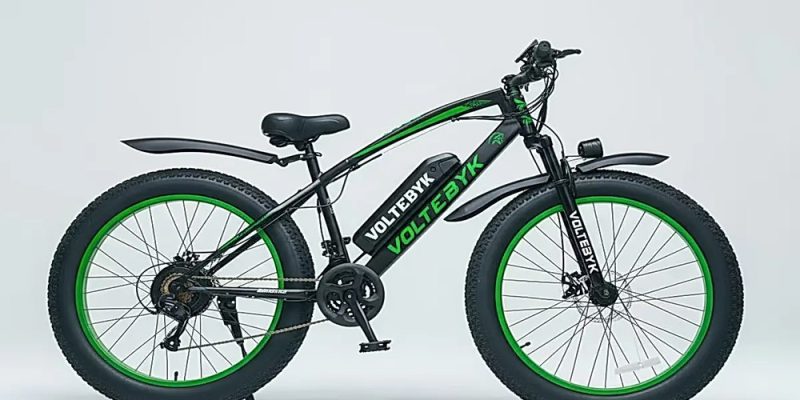
Riding longer routes requires dependable design features that support stability across changing surfaces. A fat tyre electric bike offers wider ground contact that improves balance during extended outdoor movement. Recent design improvements focus on reducing strain while maintaining steady performance throughout daily use. Better frame construction supports smoother movement across uneven paths and varying conditions. These developments help create reliable riding sessions with greater control and consistent handling.
Why Does Ride Stability Matter Most?
Stable movement helps maintain better direction across changing ground conditions. Consistent handling reduces unnecessary corrections while supporting smoother progress during longer routes.
Wider Tyres Improve Surface Contact
Broader tyre structures create stronger grip across different ground conditions. Improved contact supports predictable movement while reducing unwanted surface disturbances.
Frame Design Supports Better Balance
Updated frame geometry helps distribute weight more evenly during motion. Balanced positioning contributes to steadier handling throughout longer riding sessions.
How Do Modern Systems Reduce Fatigue?
Refined engineering helps reduce repeated impacts reaching the rider position. Improved support systems allow steadier movement across uneven sections without excessive strain.
What Features Improve Extended Riding Quality?
Several design elements contribute directly toward smoother route performance today.
• Wider tyre profiles improve grip across varied surface conditions consistently.
• Refined frame layouts support balanced movement during longer outings.
• Advanced motor assistance maintains reliable power across changing routes.
• Improved seating structures reduce pressure during extended riding periods.
Additional refinements continue improving handling consistency while supporting dependable operation across everyday conditions.
Comparison of Important Innovation Factors
Two major areas influence riding quality during extended route usage. The chart below highlights common differences.
| Factor | Standard Design | Improved Design |
|---|---|---|
| Surface Grip | Moderate traction levels | Enhanced contact across varied terrain |
| Impact Control | Greater vibration transfer | Reduced vibration reaching rider position |
| Balance Support | Basic weight distribution | Improved stability through refined geometry |
| Energy Usage | Less efficient operation | Better efficiency across longer distances |
| Handling Response | Slower directional control | More predictable steering response |
These improvements work together to support smoother movement across different environments while maintaining dependable performance.
Practical Benefits Worth Considering
Several advantages appear when modern innovations are combined effectively.
• Enhanced traction supports dependable movement across mixed ground surfaces.
• Better weight distribution improves handling during longer route sessions.
• Reduced vibration transfer helps maintain steadier riding throughout journeys.
• Efficient power delivery supports consistent output across varying conditions.
• Improved seating support encourages better posture during route usage.
Ergonomic Components Support Daily Usage
Rider-focused design elements contribute significantly toward overall usability.
• Adjustable positioning supports better alignment during extended operation periods.
• Improved handlebar placement encourages balanced steering across routes.
• Refined seating layouts reduce pressure throughout longer riding durations.
• Enhanced support structures contribute toward steady body positioning.
• Practical adjustment options accommodate varying rider requirements effectively.
Durable Construction Extends Reliability
Strong materials help maintain performance throughout repeated outdoor usage.
• Reinforced structures support dependable operation across changing environments.
• Quality component integration improves overall system reliability significantly.
• Durable assemblies withstand repeated usage without rapid deterioration.
• Improved material selection supports long-lasting operational consistency.
• Strength-focused construction maintains dependable handling across varied conditions.
Common Questions Answered
· What makes wider tyres useful for longer routes? Wider tyre designs create stronger ground contact across varying surfaces. Better grip supports smoother movement while helping maintain directional stability.
· Can modern designs improve handling consistency? Yes, updated construction methods improve balance while supporting predictable control. Improved geometry contributes toward steadier movement across longer routes.
· What factors affect riding quality most? Tyre structure, frame design, suspension response, and power delivery greatly influence overall performance during extended route usage.
· Are these innovations suitable for regular usage? Modern improvements support dependable operation across daily routines. Better durability and balanced handling contribute toward long-term usability.
Better Riding Outcomes
Long route performance depends on thoughtful engineering choices that support steady operation. Improved tyre construction, refined suspension systems, balanced geometry, and efficient power management work together effectively. These elements help maintain reliable movement across varied conditions without unnecessary disruption. Continued development focuses on stronger support, greater stability, and dependable control throughout everyday use. A well-designed fat tyre electric bike delivers consistent results through careful execution rather than relying on complex features alone.










Comments